
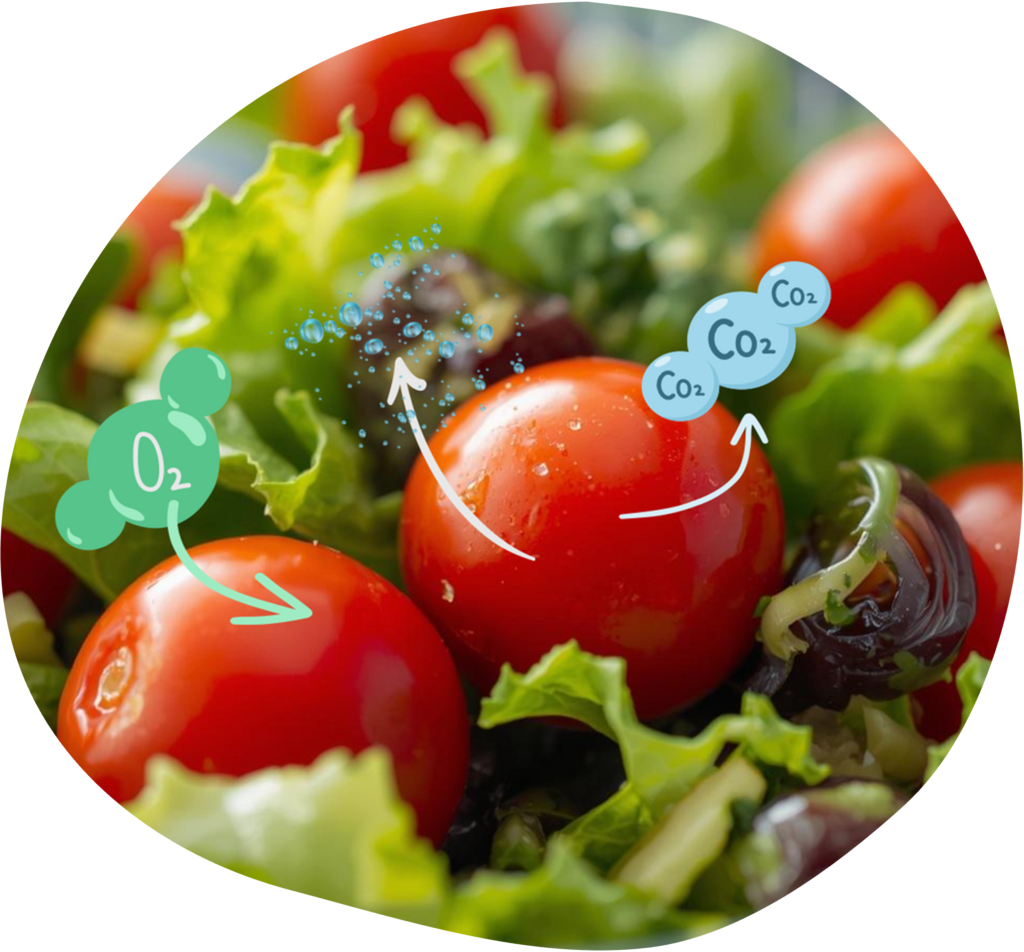
Fresh-cut salads continue to be one of the most dynamic and fast-growing segments in the food market. Consumers choose them for their convenience, healthy positioning and freshness — yet preserving the delicate quality of leafy greens and freshly grated vegetables remains a technological challenge. After harvesting and cutting, vegetables keep breathing: they take in oxygen, release carbon dioxide and moisture, and gradually lose their natural crispness and vitality.
Traditional solutions rely on Modified Atmosphere Packaging (MAP), a process that requires gas mixtures, dedicated machinery, and carries non-negligible environmental and operational costs.
BIOPAP® LC offers a completely different, naturally self-regulating alternative.
A smarter, natural way to preserve freshness
BIOPAP® LC trays are designed with precisely calibrated gas permeability. Instead of relying on injected technical gases, the packaging works in harmony with the natural respiration of the product. As leafy salads and freshly grated vegetables consume O₂ and release CO₂, the BIOPAP® LC material continuously balances this gas exchange through its engineered transmission rates and selectivity.
This creates a passive, stable internal atmosphere that remains within the ideal range for vegetables—avoiding low-oxygen fermentation and preventing excessive CO₂ accumulation. The result is a naturally slowed metabolic activity without undesirable aromas, texture loss, or anaerobic reactions.
How it works:
- Controlled oxygen intake
The tray and lid allow just the right amount of oxygen to enter, supporting the natural respiration cycle of salads and fresh grinded vegetables.
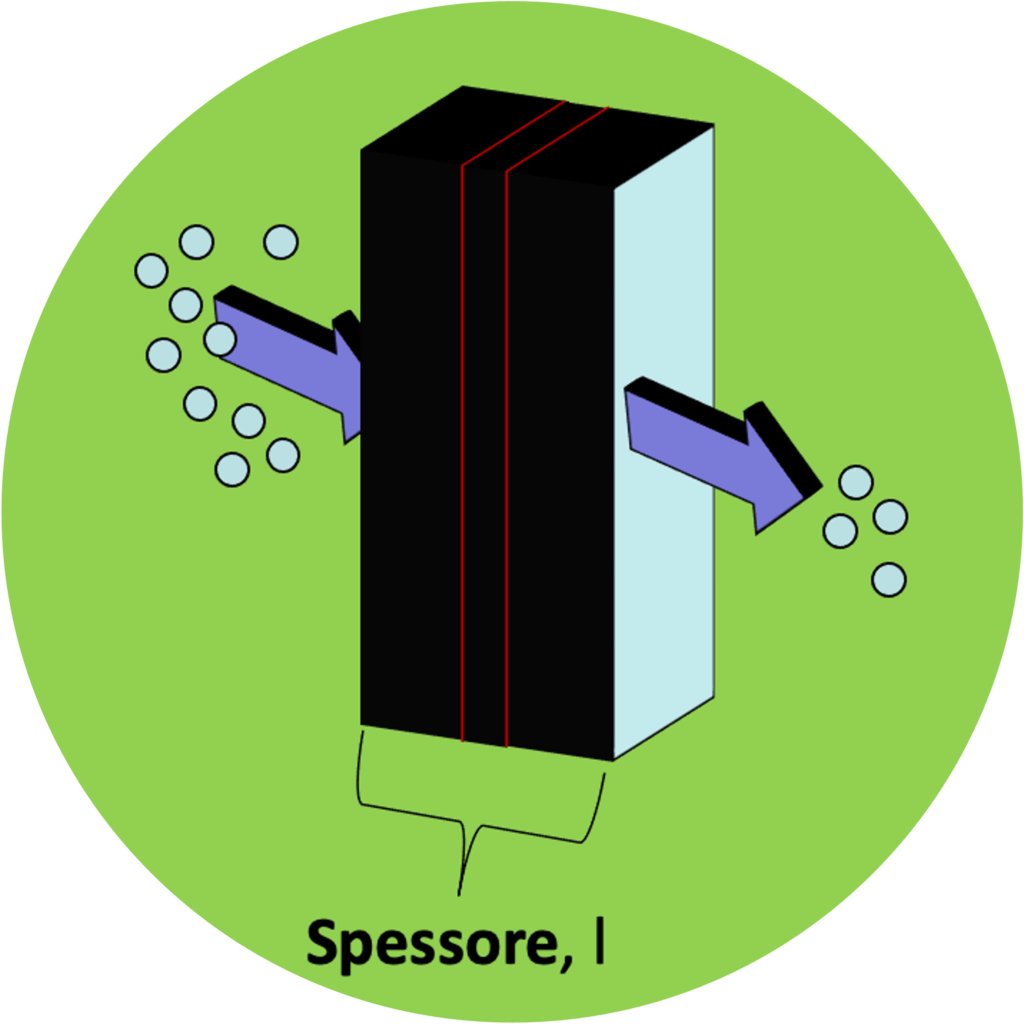
- Selective carbon dioxide release
Excess CO₂ escapes through the material at a calibrated rate, preventing softening, discoloration, and off-odours.
- No need for MAP gas flushing
Shelf life is extended passively, eliminating the need for gas mixtures, specialized equipment, or additional production steps.
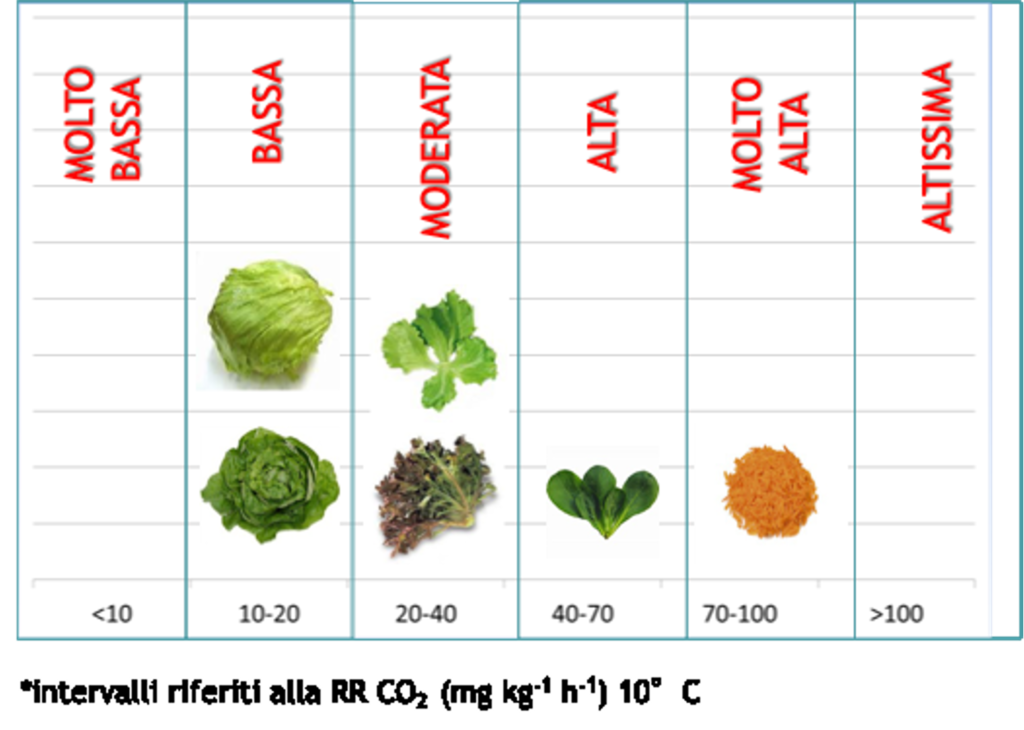
RESPIRATION RATE
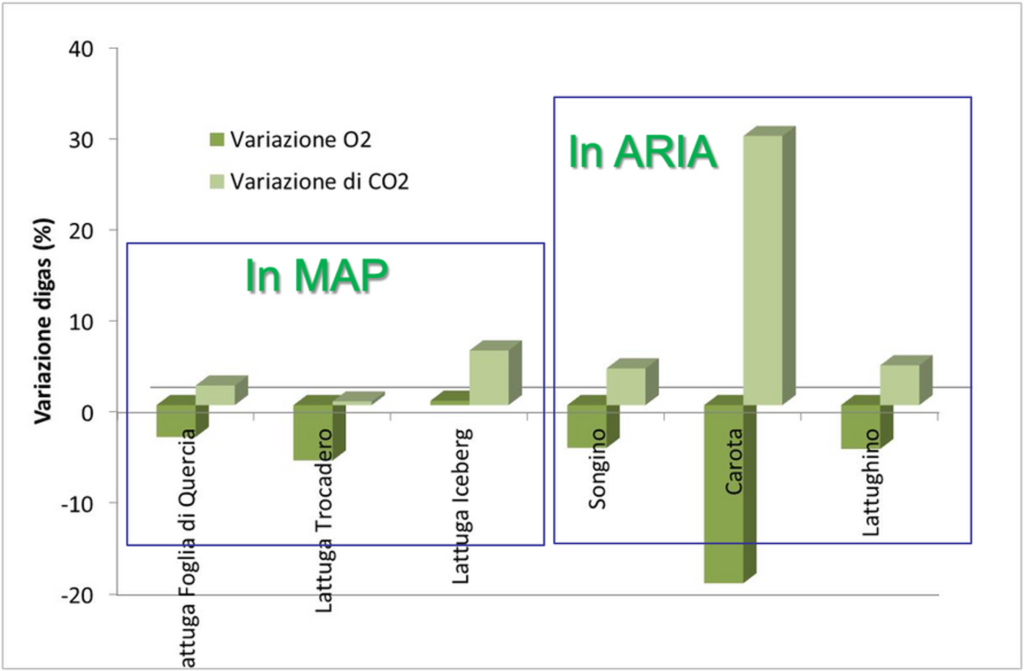
ATM VARIATIONS AFTER 6 DAYS OF STORAGE AT 5°C
- Stable metabolism indicators
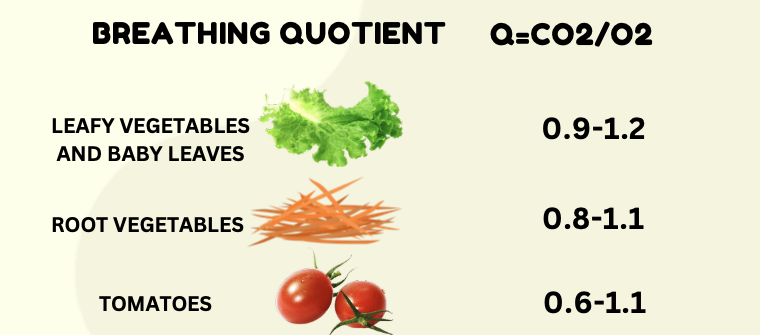
Studies at 5–6°C show that products stored in BIOPAP® LC maintain a balanced respiration quotient (QR close to 1), remaining within safe and optimal atmospheric limits for quality preservation.
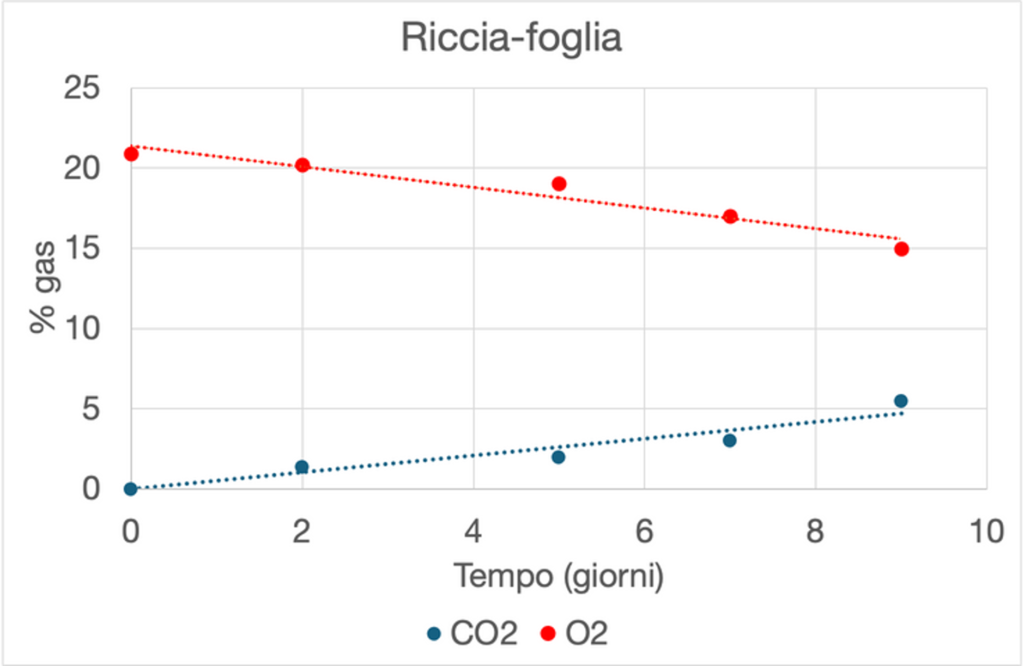
STORAGE 5-6°C
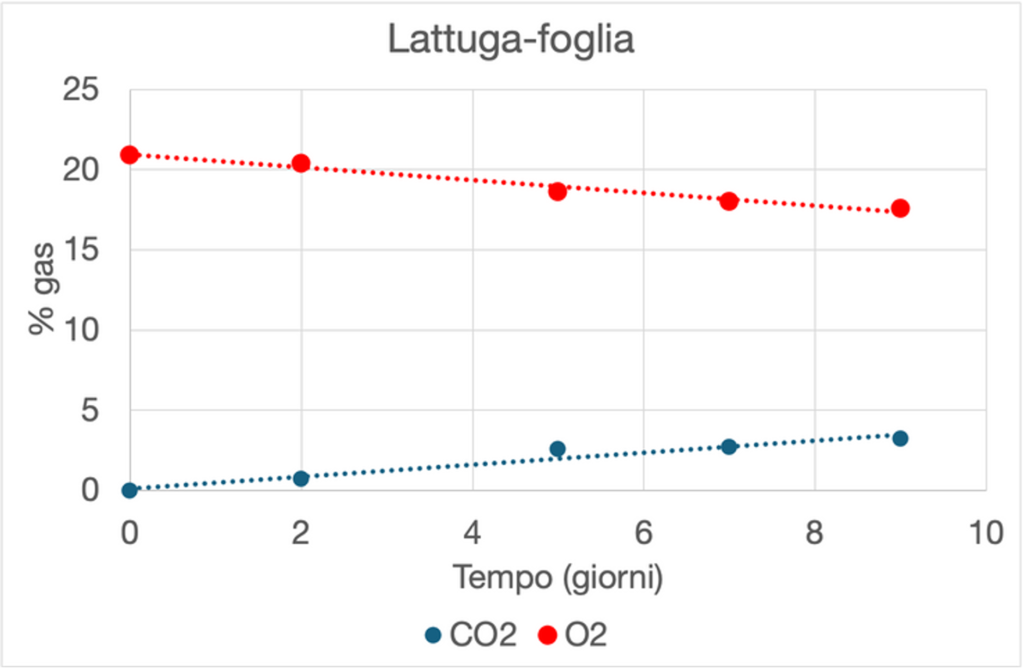
STORAGE 5-6°C
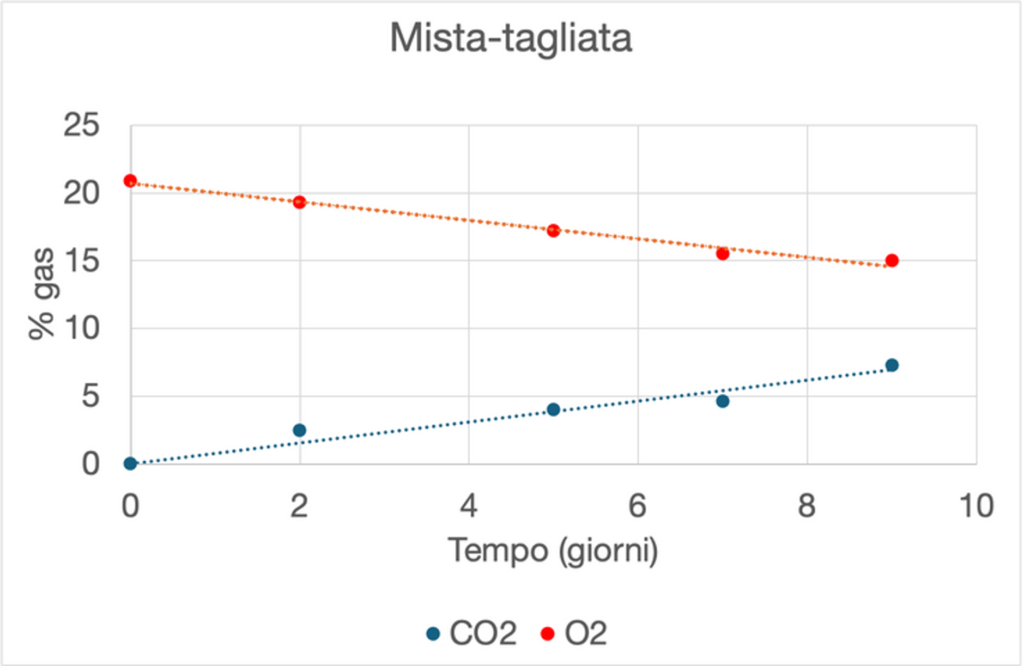
STORAGE 5-6°C
Benefits for producers, retailers, and consumers
- Longer natural shelf life, even for mixed leafy salads and delicate vegetable preparations.
- Higher sustainability, thanks to the elimination of technical gases and the use of compostable and recyclable materials.
- Simplified production processes, reducing complexity, investments, and low-throughput constraints associated with MAP systems.
- Improved sensory quality, with fresher texture, better aroma, and reduced food waste both in-store and at home.
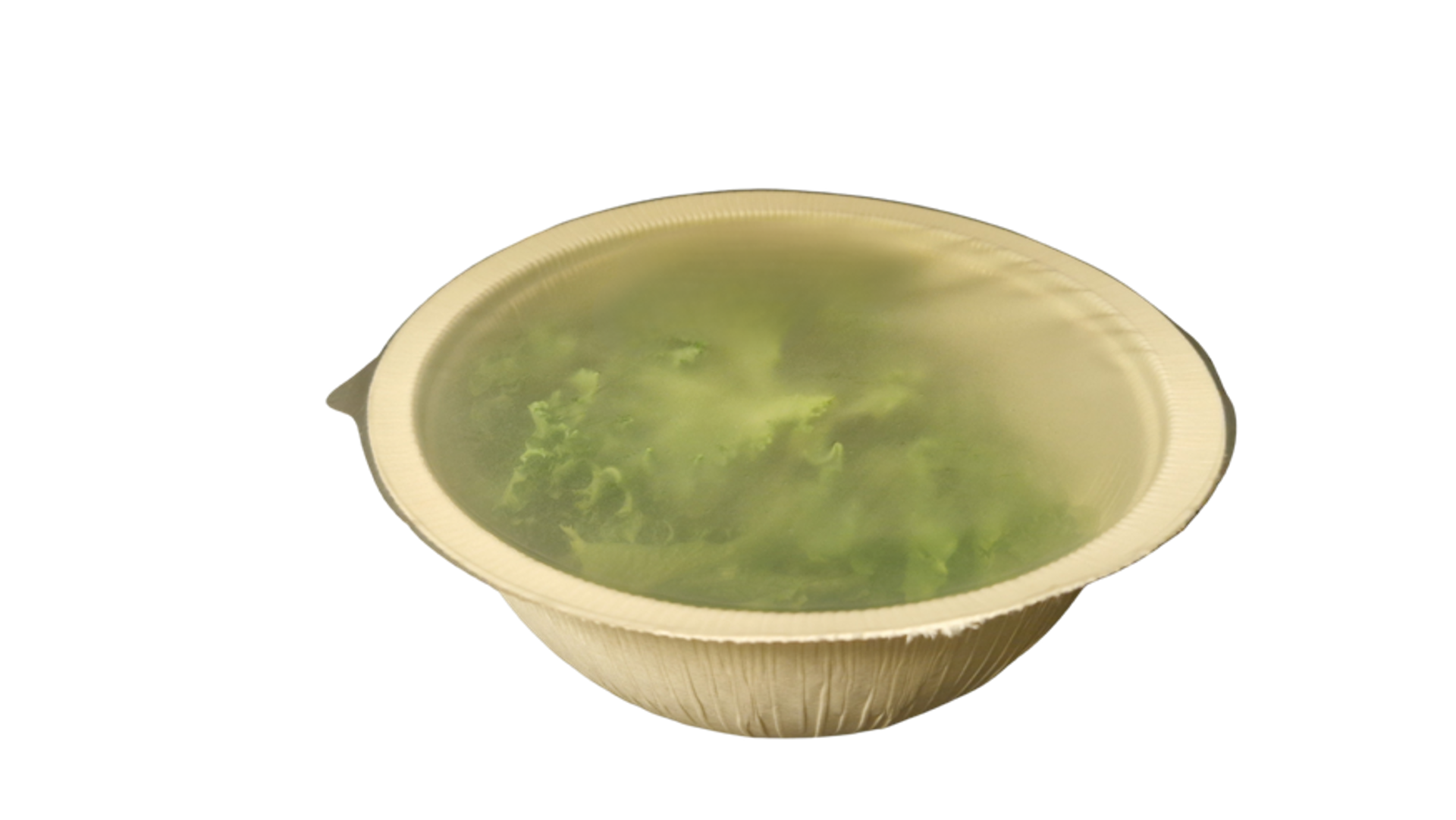
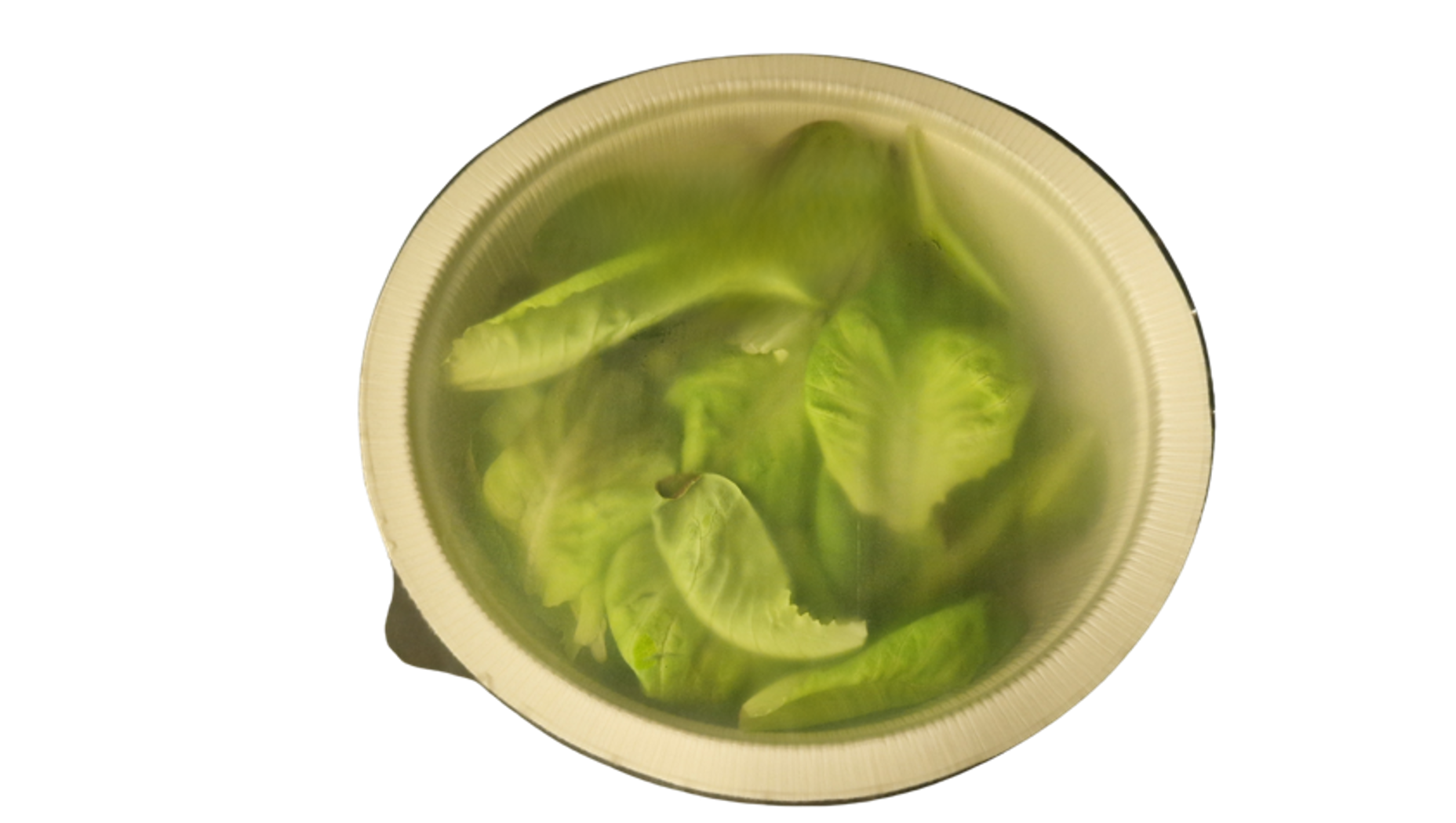
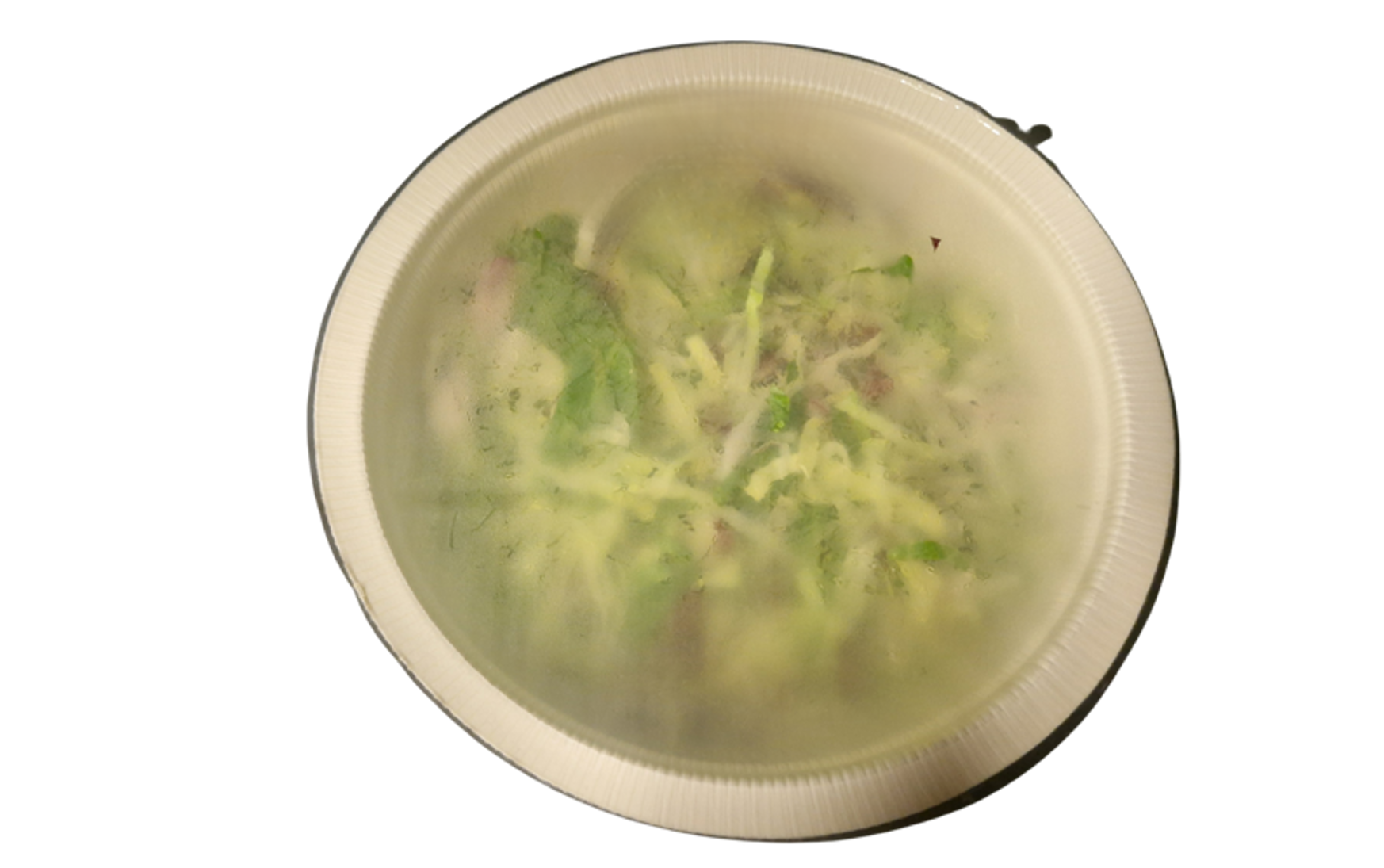
A circular, sustainable, high-performance packaging solution
BIOPAP® LC combines technological performance with environmental responsibility. Its passive, self-regulated preservation mechanism protects product freshness while supporting circular packaging principles. This contributes to a more efficient, less wasteful, and more sustainable fresh-produce supply chain.
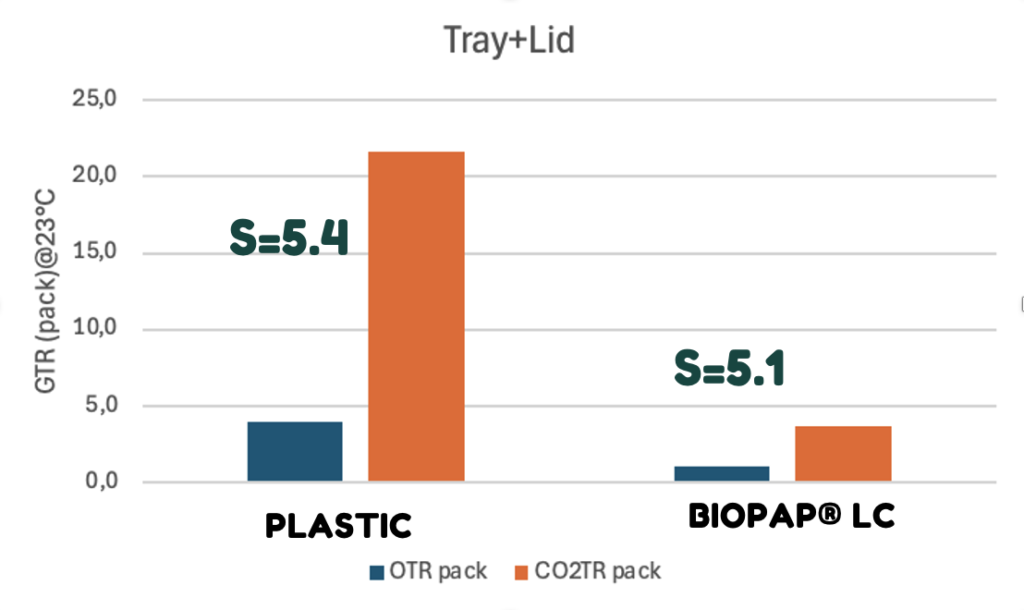
GAS TRANSMISSION RATE OF BOWLS (WITH RELEVANT LID) AND SELECTIVITY OF MATERIALS
Ideal also for professional catering and central kitchens
The extended shelf life provided by BIOPAP® LC is particularly valuable for prepared salad mixes and freshly grinded vegetable preparations such as carrots, turnips, radishes, cabbage, and other ready-to-use mixes for foodservice.
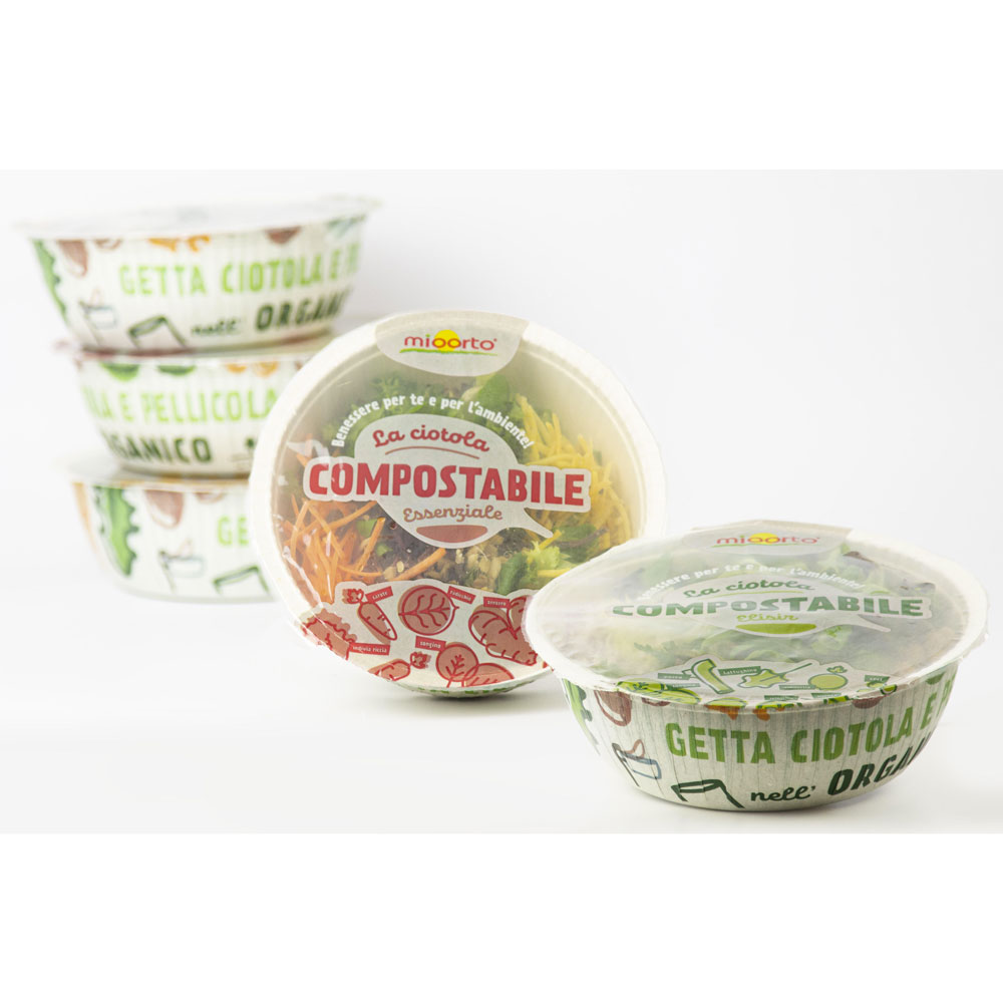
Existing top-sealing equipment in central kitchens can be used without new investments or layout changes. Simply replacing plastic trays or conventional containers with BIOPAP® LC enables:
- earlier preparation and batching of vegetable mixes,
- improved distribution efficiency to satellite kitchens,
- reduced labour peaks and operating costs,
- minimized food waste, and
- better final product quality for the end consumer.